Raynes Park garden maintenance for Coombe Lane terraces: a practical guide for tidy, resilient outdoor spaces
If you live in a terrace on Coombe Lane, you probably know the pattern already: a garden that looks lovely in spring, gets a bit unruly by midsummer, then suddenly needs proper attention just when life is busiest. Raynes Park garden maintenance for Coombe Lane terraces is really about keeping that outdoor space manageable, healthy, and pleasant without turning weekends into a never-ending chore.
Terraced gardens have their own quirks. They are often narrower than people expect, shared boundaries matter more, access can be awkward, and even a small patch of paving or a compact lawn can create more work than you'd think. The good news? With the right maintenance routine, a terrace garden can feel calm, well-kept, and genuinely useful through every season.
In this guide, you'll find a clear explanation of how terrace garden maintenance works, what to prioritise, common mistakes to avoid, and how to decide whether you need regular help or just an occasional reset. There's no fluff here. Just practical guidance, local sense, and a few hard-earned lessons that save time later.
Why Raynes Park garden maintenance for Coombe Lane terraces Matters
Terrace gardens in Raynes Park tend to be exposed to a very specific mix of pressures. They often have limited width, heavier foot traffic, shared side access, and planting beds that dry out quickly in warm weather but stay soggy longer than expected after rain. That combination means small issues can snowball. A little ivy left unchecked becomes a boundary problem. A patch of moss on paving starts to look slippery. A hedge that looked fine in April can feel like a wall by August.
For Coombe Lane terraces, maintenance matters because the garden is usually part of daily life, not a decorative extra. It might be the spot where children kick a ball, where you try to have a quiet coffee before work, or where the bins, bikes, and garden tools seem to congregate without asking permission. You want it to feel orderly enough to enjoy, but not so high-maintenance that it becomes another job on the list.
There's also a practical resale and rental angle. A tidy garden helps a terrace feel cared for from the moment someone steps outside. That's not just about flowers. It's the edge lines, the hedge shape, the state of the path, the way the whole place smells after a cut-back and a sweep. Small details, yes, but they matter.
If you are comparing broader options, it can help to look at a structured garden maintenance service rather than trying to piece everything together yourself. And if the garden has become a bit overwhelmed, a one-off garden clearance can give you a clean starting point before routine upkeep begins.
How Raynes Park garden maintenance for Coombe Lane terraces Works
Good terrace garden maintenance is usually built around a repeatable cycle. Not every visit has to do everything, but each visit should move the garden in the right direction. In practice, that means combining light, regular care with seasonal jobs that stop the space from drifting into neglect.
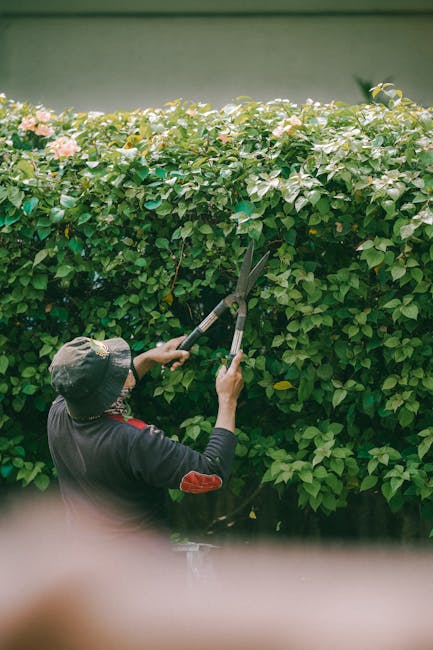
A typical maintenance approach might include mowing or strimming, edging, pruning, hedge trimming, weed control, leaf clearance, deadheading, border tidying, and checking for overgrown climbers or weak growth along fences. In small gardens, detail matters more than scale. If a lawn is only a few metres long, a poor cut or ragged edge stands out immediately. No hiding it, really.
For terraces, access also shapes how the work is done. Tools may need to be carried through the property, waste bags must be handled cleanly, and the route in and out should be protected so mud, clippings, and soil don't spread indoors. That is one reason professional teams tend to work methodically rather than just "doing a quick tidy." The sequence matters.
A sensible service may also fold in specialist tasks where needed, such as lawn mowing for compact lawns, hedge trimming for boundary plants that are getting shaggy, or even decking services if the terrace includes a timber area that needs repair or refresh. In a lot of Coombe Lane gardens, the best results come from seeing the whole space as one system, not a handful of unrelated tasks.
Key Benefits and Practical Advantages
The obvious benefit is that the garden looks better. But to be fair, that is only part of it. The deeper value is that regular maintenance prevents small issues from becoming expensive or awkward later on.
- Less weekend catch-up work: regular upkeep stops the "we'll sort it next month" cycle that turns into a full-day reset.
- Healthier planting: pruning, feeding, and tidying at the right time helps shrubs and borders stay stronger.
- Better use of space: a terrace garden should feel usable, not just present.
- Safer surfaces: clearing debris and keeping paving or paths clean helps reduce slip risk.
- Cleaner boundaries: hedge and climber control keeps neighbour relations simpler. That matters more than people admit.
- More consistent appearance: instead of dramatic highs and lows, the garden feels settled.
Another advantage is predictability. A recurring maintenance plan lets you budget time and money more sensibly. It also means you are not starting from scratch each visit. The garden gets easier to manage because it is being looked after before problems build up.
There is a subtle lifestyle benefit too. Stepping into a neat, fresh-smelling garden after a long day can change the feel of the whole house. A small terrace in Raynes Park can become a proper extra room in warmer months. Not bad for a modest patch of outdoor space.
Who This Is For and When It Makes Sense
This kind of upkeep is useful for a wide range of people, but especially for homeowners and tenants who want the garden to stay presentable without constant hands-on work. If you work long hours, travel often, have family commitments, or simply would rather not spend your Saturday morning pulling weeds, the case for regular maintenance is pretty clear.
It also makes sense if your terrace garden has any of the following:
- fast-growing hedges or climbers
- a small lawn that needs frequent cutting
- paving or paths that gather moss and leaf litter
- mixed planting beds that need seasonal pruning
- shared boundary concerns with neighbouring homes
- a long period of neglect after a move, renovation, or tenant change
If you are planning a bigger refresh, you may want to think beyond maintenance and into broader landscaping or landscape gardening. That is often the right move when the layout itself is the problem, not just the upkeep. A garden with awkward corners, poor drainage, or tired surfaces can be maintained only so far before it starts asking for structural changes.
Sometimes the answer is seasonal help rather than all-year support. For example, a terrace may only need more intensive work in spring and autumn, then lighter touch visits through summer. In our experience, that flexible middle ground is often the sweet spot.
Step-by-Step Guidance
If you are trying to manage a terrace garden properly, the best results usually come from a simple routine. Nothing fancy. Just consistent, sensible work carried out in the right order.
- Assess the space honestly. Walk around and note what is thriving, what is messy, and what is causing friction. Look at borders, paths, lawn, fencing, and any covered areas.
- Clear obvious debris first. Leaves, twigs, broken pots, fallen fruit, and general clutter should go before anything else. You need to see the space properly.
- Deal with the growth that is creating the most pressure. That may be hedge trimming, cutting back overhanging branches, or taming a climber that has gone a bit rogue.
- Cut and edge the lawn if there is one. Small lawns benefit hugely from crisp edges. A clean edge makes the whole garden look finished.
- Weed borders and hard surfaces. Do not leave this until last every single time. It is one of those jobs that, if ignored, makes everything feel worse.
- Check hard landscaping. Loose slabs, slippery patches, and tired timber should be noted so they do not become a hazard.
- Finish with a final sweep and waste removal. The last 10% is what makes the garden feel properly cared for.
For many homes, the most efficient route is to combine routine care with occasional specialist input. A compact lawn may need dedicated lawn mowing, while taller or denser boundary growth can need proper hedge trimming. If trees are crowding out light or becoming unsafe, that is a different job again and should be handled with care through tree lopping and removal.
A practical tip: keep a running list of "annoying but not urgent" issues. That list becomes gold later on. Otherwise you forget the leaky tap in the corner, the snagging gate, the patch where weeds always return. Gardening memory is funny like that.
Expert Tips for Better Results
The best terrace gardens rarely happen by accident. They usually reflect a few small decisions made consistently over time.
First, protect the shape of the space. In narrow gardens, straight edges and clear lines matter more than in larger plots. A slightly crooked lawn edge or overgrown border can make the whole garden feel cramped. Clean lines create breathing room.
Second, avoid overplanting. It is tempting to fill every spare corner, especially when a terrace feels enclosed. But too many plants can create moisture pockets, reduce access, and make pruning a nightmare. Leave enough space for air, light, and movement.
Third, think in layers. A terrace garden often works best with low planting in front, structured shrubs or climbers in the middle, and screening only where needed. That keeps the space interesting without becoming cluttered.
Fourth, match maintenance to the season. Spring usually calls for a reset and growth control. Summer is more about tidying, watering, and preventing the place from running away with itself. Autumn tends to be the leaves-and-clearance season. Winter is for structural pruning, checking stability, and planning ahead. Simple, but easy to ignore.
Fifth, make waste removal part of the plan. Green waste builds up faster than people expect in small gardens. If you are collecting cuttings in buckets and bin bags without a disposal strategy, the whole job becomes messier than it needs to be. A tidy garden depends on a tidy finish.
And one more thing, slightly boring but true: if you know a rainy spell is coming, do the heavier work the day before. Wet pruning and soggy grass are not anyone's favourite combination.
Common Mistakes to Avoid
Most garden problems in terraces are not caused by one big failure. They come from a bunch of small shortcuts stacking up. Easy to do, honestly.
- Cutting too much at once: over-pruning can stress plants and leave ugly gaps.
- Ignoring boundary growth: hedges and climbers can create tension with neighbours if left unchecked.
- Letting the lawn get too long: very long grass is harder to recover neatly, especially in a small space.
- Using the wrong tools: blunt shears and poor-quality mowers leave ragged results.
- Forgetting drainage signs: repeated puddling, soft soil, or moss may point to a larger issue.
- Working without a waste plan: piles of clippings left overnight make the garden feel unfinished and attract more mess.
- Trying to maintain a redesign problem: sometimes the layout itself is inefficient, and maintenance alone cannot fix it.
A particularly common mistake on terraces is treating the space as if it were a big detached garden. It is not. Access, storage, privacy, and neighbour boundaries all weigh more heavily. If you overlook that, the maintenance routine becomes awkward very quickly.
Also, do not let one neglected month turn into a year. Gardens forgive a lot, but they do keep score.
Tools, Resources and Recommendations
You do not need a shed full of gear to keep a terrace garden in good shape, but a few reliable tools make life a lot easier.
- Sharp secateurs: ideal for clean cuts on smaller stems and dead growth.
- Good hedge shears or a trimmer: useful for keeping boundaries even and tidy.
- Compact mower or strimmer: better suited to small, awkward lawns than bulky equipment.
- Stiff broom and leaf rake: essential for hard surfaces and seasonal clear-ups.
- Gloves and sturdy footwear: simple, but worth having every time.
- Waste bags or a collection system: helps prevent clippings from being spread around the garden or indoors.
Beyond tools, the most useful resource is a clear maintenance routine. A monthly or fortnightly schedule often works better than trying to "do it all" in one heroic burst. That approach tends to end with a sore back and a half-finished patio, which is not ideal.
If you want a fuller overview of the kinds of work that can be built into a maintenance plan, the services overview is a sensible starting point. You can also learn more about the team behind the work on the about us page, which helps if you value a more personal sense of who is actually looking after your space.
For customers who want clarity before committing, the pricing and quotes page is a useful reference point. No one enjoys guesswork, especially when planning garden work around a family schedule or landlord requirements.
Law, Compliance, Standards, or Best Practice
Garden maintenance is not usually a heavily regulated activity in the way some trades are, but there are still sensible standards and responsibilities to keep in mind. If work affects shared boundaries, access routes, drainage, tree growth, or neighbour-facing elements, it should be handled carefully and respectfully. That sounds obvious, yet it is where problems often begin.
For terraces, neighbour awareness matters a lot. Overhanging branches, encroaching roots, hedge lines, and waste placement can all create friction if managed casually. Good practice is to communicate early, avoid blocking shared spaces, and leave boundaries neat. If there is any uncertainty around larger trees or structural issues, it is better to pause and assess than to rush ahead.
Safety is another big one. Tools should be used properly, surfaces should be checked before work starts, and waste should be cleared in a way that does not create trip hazards. Reputable teams also think about insurance, working methods, and how they protect property while moving tools and materials through narrow access points. The company's own insurance and safety information and health and safety policy are worth reviewing if you want reassurance on that front.
If waste is being removed, sensible sorting and disposal practices matter too. Fresh cuttings, soil, timber, and mixed garden waste should not all be treated the same way. If sustainability matters to you, a provider's approach to recycling and sustainability is worth a look.
And yes, some of this is just plain common sense. But common sense is usually the thing people remember only after the awkward bit. Funny how that works.
Options, Methods, or Comparison Table
There is no single right way to manage a terrace garden. The best method depends on size, plant density, your time, and how quickly the garden tends to slide into chaos. Here is a simple comparison that may help.
| Approach | Best for | Strengths | Watch-outs |
|---|---|---|---|
| DIY weekly upkeep | Small gardens with low planting complexity | Low cost, flexible timing, full control | Easy to delay; can become inconsistent if life gets busy |
| Monthly professional maintenance | Busy households and neat terrace gardens | Regular finish, fewer surprises, better consistency | Still needs occasional input if growth is fast |
| Seasonal tidy-up only | Low-use gardens or budget-led situations | Good for reset jobs and spring/autumn refreshes | Can look rough between visits; not ideal for high-growth areas |
| Combined maintenance and landscaping | Gardens with poor layout or tired surfaces | Solves practical issues as well as appearance | Requires more planning and a bigger initial decision |
If you are unsure which route fits your garden, start with the least complicated honest answer: how much time do you really have, and how often does the garden fall behind? That usually tells you enough.
Case Study or Real-World Example
Imagine a typical Coombe Lane terrace garden: a narrow strip behind the house, a small lawn, a few shrubs along the fence, paving near the back door, and one climber that looked charming two summers ago but now has opinions. At first glance it seems manageable. Then you notice the lawn has gone patchy, the hedge is leaning into the neighbour's side, and the paving has a fine layer of moss that makes the area look older than it is.
The first visit is usually the most revealing. The space gets cleared, edges are sharpened, the hedge is reduced to a sensible line, and the lawn starts to look like a lawn again rather than an abstract green texture. The surprising bit is how much bigger the garden feels once the clutter is gone. That happens a lot in terrace spaces. A few square metres suddenly feel usable.
After that, the maintenance plan shifts to staying on top of growth rather than rescuing the garden from it. Regular mowing, seasonal pruning, and a quick check on the boundaries stop things from becoming tangled again. By late summer, the area feels calmer. Not perfect, maybe. Gardens are living things, after all. But calm.
That is the real value of steady maintenance in a terrace. You are not just "keeping it tidy." You are preserving the feel of the space so it can keep serving the house properly.
Practical Checklist
Use this checklist before or after a maintenance visit. It keeps the work focused and helps you spot what needs attention next.
- Have paths, paving, and steps been cleared of leaves and debris?
- Are lawn edges straight, cut cleanly, and easy to maintain?
- Do hedges and climbers stay within the space they are supposed to occupy?
- Are borders weeded and mulched where needed?
- Has any dead, weak, or overcrowded growth been removed?
- Are fences, trellises, and boundary features still in good condition?
- Has garden waste been removed properly?
- Are there any slippery areas, loose slabs, or trip hazards?
- Does the garden still feel easy to use after the work is done?
- Is there a clear plan for the next visit or seasonal job?
Expert summary: the best terrace garden maintenance is simple, consistent, and realistic. Keep the structure neat, do not let boundaries drift, and treat waste removal as part of the job, not an afterthought. That approach saves time, protects the garden's shape, and makes the outdoor space more enjoyable all year round.
Get a free quote today and see how much you can save.
Conclusion
Raynes Park garden maintenance for Coombe Lane terraces is not about making a small garden look impossible-to-achieve perfect. It is about keeping a compact outdoor space healthy, tidy, and genuinely usable without turning upkeep into a burden. For many homes, that means regular light maintenance, occasional clearance, and a willingness to step in before little problems become annoying ones.
If your terrace garden has been drifting, the good news is that it usually responds well to a proper reset and a simple routine after that. A few clean edges, sensible pruning, and steady seasonal attention can change the whole feel of the space. You notice it at the back door. You notice it when the evening light falls across the paving. And frankly, you notice it when you no longer feel a twinge of guilt every time you look outside.
There is something quietly satisfying about a garden that simply works. Not flashy. Just well cared for, ready when you are, and easier to live with. That, in the end, is the point.
Frequently Asked Questions
How often should a Coombe Lane terrace garden be maintained?
For most terrace gardens, light maintenance every two to four weeks is a sensible starting point during the growing season. In quieter months, the schedule can usually be relaxed. Fast-growing hedges, lawns, or climbers may need more frequent attention.
What is included in terrace garden maintenance?
Typical work includes mowing, edging, weeding, hedge trimming, pruning, sweeping hard surfaces, deadheading, and removing garden waste. Some gardens also need clearance, light repairs, or more substantial landscaping support.
Is regular maintenance better than a one-off tidy-up?
Usually, yes. A one-off tidy-up is useful for a reset, but regular maintenance keeps the garden from slipping back into a difficult state. It also tends to be easier on plants, surfaces, and your weekend schedule.
Can a small terrace garden in Raynes Park still feel low maintenance?
Absolutely. In fact, small gardens often benefit most from a smart layout and simple planting choices. If the structure is right, maintenance becomes much easier and the space stays usable with less effort.
What if my garden has become overgrown?
If growth has got ahead of you, start with clearance rather than routine upkeep. Once the garden is reset, regular maintenance can keep it in a manageable condition. Trying to skip the reset usually makes the job harder than it needs to be.
Do I need hedge trimming every time?
Not always. It depends on the growth rate and the shape of the hedge. Some boundaries need trimming several times a year, while others only need occasional shaping. The key is to keep the line neat before it becomes unruly.
What should I do about a small lawn in a terrace garden?
Small lawns need regular cutting and clean edging to stay attractive. If the lawn is patchy or shaded, it may need extra care, reseeding, or even redesign. A lawn is only low-maintenance when it is looked after consistently.
How do I know if I need landscaping instead of maintenance?
If the garden is hard to use because of its layout, drainage, surfaces, or tired structure, maintenance alone may not solve it. That is when landscaping or landscape gardening becomes the more useful option.
Are there safety issues with terrace garden work?
Yes, especially on narrow access routes, slippery paving, uneven steps, and when using sharp tools. Good practice includes checking the area before work starts, storing equipment safely, and clearing waste promptly.
What should I ask before booking garden maintenance?
Ask what is included, how often visits are recommended, how waste is handled, whether additional services like clearance or mowing are available, and how quotes are prepared. Clear answers at the start save hassle later.
Can garden maintenance help with neighbour boundaries?
Definitely. Keeping hedges, climbers, and overhanging growth under control helps prevent disputes and keeps the space looking tidy from both sides. On terraces, that is more valuable than people sometimes realise.
How do I keep maintenance costs sensible?
The best way is to keep up with small jobs before they grow into larger ones. A routine plan is usually more cost-effective than repeated emergency tidy-ups. It is also less stressful, which counts for a lot.
For more information about the team, service range, or practical next steps, you can also review the services overview or get in touch through the contact us page when you are ready to discuss your garden.