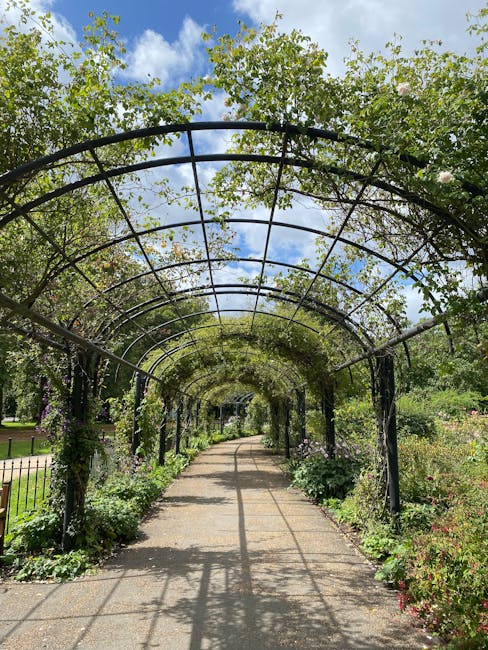
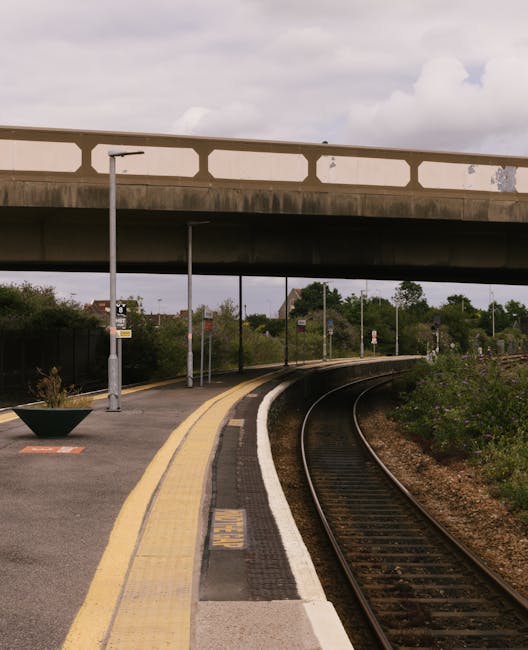
Raynes Park station garden maintenance tips from local gardeners
If you walk past a station garden in the morning, you can tell pretty quickly whether it has been looked after. Borders look crisp, paths are clear, planting feels deliberate, and even on a damp London day the space has a bit of life to it. That is the kind of difference local knowledge makes. These Raynes Park station garden maintenance tips from local gardeners are based on the realities of a busy public-facing space: foot traffic, seasonal wear, limited growing room, and the need to keep everything tidy without making the garden feel over-managed.
Whether you are looking after a small station frontage, a planted verge, or nearby communal greenery, the job is part horticulture and part practical problem-solving. Let's face it, gardens around transport hubs do not get the luxury of gentle treatment. They get wind tunnels, litter, compacted soil, and the occasional bit of neglect. This guide breaks down what works, why it matters, and how local gardeners tend to keep things looking smart year-round.
Contents
- Why station garden maintenance matters
- How maintenance works in a station setting
- Key benefits and practical advantages
- Who this is for and when it makes sense
- Step-by-step guidance
- Expert tips for better results
- Common mistakes to avoid
- Tools, resources and recommendations
- Law, compliance, standards, or best practice
- Options, methods, or comparison table
- Case study or real-world example
- Practical checklist
- Conclusion
- Frequently asked questions
Why Raynes Park station garden maintenance tips from local gardeners Matters
A station garden is not just decoration. It is often the first green space people notice on arrival, and the last one they see when they leave. That small patch of planting can shape how the whole area feels. A clean, well-kept garden makes a station seem safer, calmer, and more cared for. A messy one does the opposite, even if the rest of the neighbourhood is lovely.
For Raynes Park in particular, local gardeners understand the practical conditions that make maintenance different from a private back garden. There is more foot traffic, more wind exposure, more dust, and usually less tolerance for overgrown edges or untidy leaf build-up. You also have the London factor: changes in weather can feel abrupt, and a dry patch can turn into a soggy one overnight. Not dramatic, just typical.
There is also a social side to it. Public greenery benefits from consistency. If a planting bed looks abandoned for too long, people start treating it that way. That means more litter, accidental trampling, and sometimes damage to shrubs or mulch. Good maintenance interrupts that cycle. It quietly says, "This space matters."
Local gardeners usually focus on keeping the garden resilient rather than fancy. That is the key difference. A station garden needs plants that can cope, soil that drains properly, and routines that keep the whole area presentable without demanding constant intervention. In other words, the best maintenance tips are often the simplest ones, done on time.
How Raynes Park station garden maintenance tips from local gardeners Works
In practice, station garden maintenance is a rhythm rather than a single task. It starts with a quick visual check, moves into tidy-up work, then shifts into seasonal care. Local gardeners tend to think in layers: what needs attention today, what can wait a week, and what will become a problem if ignored for a month. That mindset is what keeps the garden from drifting into the "half looked-after" zone. You know the one.
The process usually begins with the basics: clearing litter, removing dead foliage, checking for broken stems, and making sure access points stay open. After that comes plant care. Depending on the scheme, that may mean pruning, feeding, edging, weed control, lawn mowing, or replacing tired seasonal plants. For busier sites, these jobs are often paired with routine safety checks and a quick look at drainage, lighting visibility, and trip hazards.
Local gardeners also work with the space rather than against it. If a bed is narrow and dry, they will not insist on thirsty planting. If the soil is heavy and compacted, they may recommend improving drainage before adding delicate species. If a hedge is starting to encroach on sight lines, the answer is usually precise trimming rather than a full cut-back. It sounds obvious, but this is where a lot of weak maintenance plans go wrong.
If you already have a broader outdoor maintenance plan, it helps to think of the station garden as one part of a wider system. Services such as garden maintenance and services overview can support that joined-up approach, especially if the site also includes pathways, borders, hedging, or nearby lawn areas. The point is not to do more for the sake of it. The point is to keep the whole place working smoothly.
Key Benefits and Practical Advantages
A well-maintained station garden does more than look neat. It solves everyday problems that are easy to underestimate until they start causing friction. Here are the main benefits local gardeners tend to focus on.
- Better first impressions: a tidy planting area makes the whole station feel cared for and more welcoming.
- Reduced safety risks: regular clearing helps prevent trip hazards, obstructed sight lines, and slippery build-up from leaves or moss.
- Healthier planting: weeds are caught early, deadwood is removed, and plants get room to grow properly.
- Lower long-term effort: small, frequent jobs are usually easier and cheaper than large restoration work later on.
- More resilient design: local gardeners can choose plants and methods suited to exposed, high-use areas.
- Cleaner public perception: a managed garden tends to discourage littering and casual damage. Not always, but often enough.
There is another advantage that is not always discussed: consistency. A station garden that gets steady care usually needs fewer dramatic interventions. That matters if you want the space to feel settled rather than constantly changing. People notice that. Even if they never say it out loud, they feel it.
For example, keeping edges crisp around beds and maintaining a simple planting palette often makes a space appear larger and more intentional. That is useful in compact or awkward areas near entrances where visual clutter can build up quickly. It is a small thing, but small things do stack.
Who This Is For and When It Makes Sense
This kind of maintenance advice is useful for anyone responsible for a public or semi-public green space around a station area. That may include landlords, managing agents, local businesses, transport-adjacent property owners, community groups, or gardeners asked to maintain a frontage that gets a lot of attention.
It also makes sense if you are deciding whether to handle maintenance in-house or bring in outside help. A station-side garden is rarely a "one-off tidy-up" kind of job. It usually needs repeated visits, especially through spring and summer when growth can get away from you fast. By late May, that one bed you ignored for two weeks can look like a different ecosystem entirely. True story, more or less.
Here are a few signs the space needs a more structured approach:
- Weeds return quickly after light hand weeding.
- Hedges or shrubs start blocking sight lines or signage.
- Leaves collect in corners and stay damp for days.
- Plants look healthy in one week and stressed the next because watering is inconsistent.
- Edges and borders lose definition, making the whole area look neglected.
If any of that sounds familiar, the maintenance plan probably needs more routine and a bit less guesswork. A local gardener with experience in London sites will often spot those patterns before they become expensive or embarrassing.
Step-by-Step Guidance
Below is a practical way to approach station garden care without overcomplicating it. The details vary by site, but the sequence is fairly reliable.
1. Start with a full visual sweep
Walk the area slowly and look for litter, broken stems, dead foliage, compacted soil, drainage issues, and anything that affects access. This first scan often tells you what kind of day you are having. A windy morning will usually leave clues everywhere.
2. Clear rubbish and debris first
Remove litter, fallen branches, and leaf piles before you touch the plants. It is simpler, safer, and gives you a proper view of the beds. In public spaces, clearing debris early also reduces the chance that small items get missed under foliage.
3. Tidy the edges
Defined edges make a surprising difference. Trim grass borders, neaten bed lines, and make sure paths or access points stay free. Even a modest planting area looks much sharper once the edges are clean.
4. Weed strategically
Focus on the weeds that compete hardest: established grasses in beds, docks, thistles, and anything seeding fast. Hand weeding is best for smaller areas, while mulching can help suppress future growth. The trick is consistency. Leave it too long and the job gets annoying, fast.
5. Prune for shape, health, and access
Remove dead or crossing stems, cut back any growth that blocks views, and keep shrubs in proportion to the space. Avoid heavy pruning unless the plant and season suit it. Local gardeners often prefer light, regular shaping to dramatic cut-backs, especially near busy routes.
6. Water with purpose
Check the soil rather than watering on autopilot. Containers and shallow beds dry quickly, while compacted soils can look dry at the top and still be wet underneath. A finger test is old-school, yes, but it works. If the soil feels dusty below the surface, the plants may need a proper soak.
7. Refresh mulch or soil cover
Mulch helps retain moisture, suppress weeds, and keep the space looking finished. It also softens the visual impact of bare soil, which can make a planting scheme look tired even when the plants are fine.
8. Check for plant replacement needs
Sometimes a plant is simply the wrong choice for the location. Replacing weak specimens with tougher, better-suited varieties is often smarter than trying to nurse them along indefinitely. There is no prize for stubbornness here.
9. Finish with a final safety and appearance check
Stand back and look at the whole space. Are the access lines clear? Do the beds look even? Is there anything dangling, leaning, or awkwardly out of place? That last five-minute check catches a lot.
Expert Tips for Better Results
Local gardeners usually rely on a few practical habits that make a big difference over time. They are not flashy, but they work.
Choose plants that can take a bit of stress. For exposed or high-footfall areas, resilience matters more than novelty. Plants that handle wind, occasional dryness, and missed watering do better than delicate, high-maintenance choices.
Use repeat maintenance rather than rescue jobs. A short weekly or fortnightly visit is often more effective than a long monthly overhaul. The garden stays in shape instead of swinging between tidy and chaos.
Think in layers. Groundcover, shrubs, and structural plants all play different roles. If every layer is the same height, the space can look flat and messy very quickly.
Keep the soil alive. Good soil structure helps roots, drainage, and resilience. If the soil is tired or compacted, even strong plants struggle. A bit of organic matter, careful mulching, and avoiding unnecessary trampling can help more than people expect.
Watch for trouble early. Yellowing leaves, repeated dieback, and patchy growth usually mean something is off. It may be drainage, shade, nutrient shortage, or root crowding. Catching it early saves work later.
Make seasonal changes gradually. If you want spring bedding, summer structure, and autumn tidy-downs, plan the handover between seasons rather than changing everything at once. The space will look more natural and less like a rushed swap.
A useful local trick? Keep one small area deliberately simple. In a station setting, too many plant varieties can become a maintenance headache. A quieter planting scheme is often easier to keep clean, and frankly, it looks calmer too.
Common Mistakes to Avoid
Even well-intentioned maintenance plans can go sideways. The good news is that most mistakes are predictable.
- Over-planting the space: too many species, too close together, means constant pruning and poor airflow.
- Ignoring access paths: if people cannot move through the space comfortably, the garden starts to work against itself.
- Watering without checking conditions: overwatering can be just as damaging as neglect, especially in heavy soil or cool weather.
- Letting weeds seed: a few missed weeds become next month's bigger job, and then the job after that too.
- Pruning at the wrong time: some shrubs cope badly with hard pruning outside the right season.
- Using the wrong plants for the site: beautiful in a nursery, miserable beside a windy station entrance. Happens more than you would think.
- Only reacting when things look bad: maintenance should be preventative, not just a rescue mission.
Another mistake is treating every section of the garden the same. A sunny border, a shaded corner, and a hard-used edge all need different care. One-size-fits-all gardening rarely works in real life. It sounds tidy on paper, though.
Tools, Resources and Recommendations
You do not need a huge kit to keep a station garden looking good, but you do need the right essentials. Local gardeners usually keep the following close at hand:
- Sharp secateurs for clean pruning cuts
- Bypass loppers for thicker stems
- A lightweight rake for leaf and debris collection
- A sturdy hand fork and weeder for beds
- Edging tools or a strimmer for border definition
- Gloves with decent grip
- Watering cans or hose access where appropriate
- Mulch or compost for soil improvement
For larger or more demanding spaces, it may be worth pairing regular maintenance with supporting services. If overgrowth has become a problem, garden clearance can reset the area before routine care begins again. If a hedge is starting to dominate the view, hedge trimming keeps things neat without making the space feel chopped back to nothing.
Where lawns are part of the station approach, lawn mowing helps maintain a clean line, while larger reshaping projects may call for landscape gardening or broader landscaping input. If trees are affecting light, visibility, or safety, careful attention from tree lopping and removal specialists may be needed.
There is also a practical side to choosing a provider. Look for clear communication, sensible scheduling, and an approach that values both appearance and site safety. If a quote feels vague, ask exactly what is included. That simple question saves awkward surprises later. Always.
Law, Compliance, Standards, or Best Practice
For station-adjacent gardens and public-facing spaces, good maintenance is not only about aesthetics. It should also align with sensible safety and operational practice. While the exact responsibilities can vary depending on ownership, lease arrangements, and site use, there are some widely accepted principles worth following.
Keep access clear. Paths, entrances, gates, emergency routes, and sight lines should not be obstructed by plants, pots, or overgrowth. That is basic common sense, but it is also one of the first things that tends to go wrong when a garden gets a bit too enthusiastic.
Use safe working methods. Tools should be handled properly, areas should be checked before work begins, and any risks such as unstable ground, sharp debris, or hidden obstacles should be taken seriously. A tidy-looking site can still have a dodgy patch underfoot.
Dispose of green waste responsibly. Reuse and recycling practices matter, especially where large volumes of cuttings or clearance waste are involved. If sustainability is a priority, ask how waste is handled and whether suitable materials are recycled where possible. You can also review approaches like recycling and sustainability if you want the work to be a bit more environmentally considered.
Check insurance and safety expectations. For any professional work around a public site, it is sensible to understand cover and safety procedures. A transparent provider should be able to explain how they manage risk and what their working practices look like. Details matter here.
Use site-appropriate standards. In public or shared spaces, neatness alone is not enough. Good maintenance should also consider usability, visibility, and the wider environment. If you are managing the site for a business or community setting, a documented routine helps people stay on the same page.
For readers who want to understand how a provider frames these responsibilities, the pages on health and safety policy and insurance and safety can help set expectations in plain language.
Options, Methods, or Comparison Table
Not every station garden needs the same style of care. Some spaces benefit from simple maintenance, while others need more active reshaping. Here is a straightforward comparison to help you think it through.
| Approach | Best for | Strengths | Watch-outs |
|---|---|---|---|
| Routine maintenance | Established gardens with stable planting | Cost-effective, keeps the space tidy, prevents decline | Won't fix major structural problems or poor planting choices |
| Seasonal tidy-up | Areas that only need occasional attention | Good for leaf fall, deadheading, and pre/post-season reset | Can let weeds and overgrowth build up between visits |
| Targeted pruning and edging | Spaces where appearance and access matter most | Sharpens the look quickly, improves visibility | Needs someone who understands plant timing and shape |
| Full clearance and replanting | Overgrown, neglected, or poorly designed areas | Creates a clean slate, allows better planting choices | More disruptive, more time-consuming, usually costs more |
In many cases, the best solution is a mix. A site might need ongoing maintenance for most of the year, then a light redesign or clearance after a period of heavy use. There is no prize for forcing a one-method-fits-all plan. The garden will tell you pretty quickly if it is unhappy.
Case Study or Real-World Example
Here is a realistic example drawn from the kind of work local gardeners often handle. A small station-facing border had become patchy over one season. The plants themselves were not bad, but the edges were soft, weeds had moved in, and the planting looked tired from a distance. Nothing dramatic. Just enough to make the whole frontage feel a bit neglected.
The first step was a clean-up: litter removed, dead material cut back, and the border edged properly. After that, the gardener reduced the most aggressive self-seeders, refreshed the mulch, and replaced a few weak plants with tougher alternatives that suited the exposed spot better. A simple watering schedule was added for dry spells, and the hedge at the rear was kept trimmed to maintain visibility. No magic. Just practical maintenance done properly.
Within a short time, the space looked calmer and more intentional. More importantly, it stayed that way because the routine matched the site. That is the bit people sometimes miss. A good result is not only about one tidy visit. It is about creating a maintenance rhythm the space can actually sustain.
And to be fair, that is often what local gardeners are best at: knowing how much intervention is enough, and when more would just be overkill.
Practical Checklist
Use this as a quick reference before and after each visit:
- Walk the site and note any safety concerns.
- Remove litter, fallen branches, and dead material.
- Check borders, beds, and access points for encroaching growth.
- Weed high-pressure areas before seeds spread.
- Prune for shape, health, and visibility.
- Inspect soil moisture and water only where needed.
- Refresh mulch or ground cover if the soil is exposed.
- Look for plants that need replacing rather than repeated rescue attempts.
- Finish with a tidy visual check from the main approach points.
- Record any recurring issues so the next visit is smarter, not just busier.
Quick summary: keep the routine regular, match the plants to the site, and treat safety and presentation as part of the same job. That combination tends to hold up best in a busy station setting.
Conclusion
Good station garden care is not about chasing perfection. It is about creating a space that feels reliable, neat, and alive in all the right ways. The best Raynes Park station garden maintenance tips from local gardeners are the ones that respect the realities of the site: exposure, footfall, seasonal change, and the need for consistent care. Keep it simple where you can, stay ahead of problems, and choose methods that make the garden easier to live with, not harder.
If you are responsible for a station-side garden, the smartest move is usually to build a routine rather than wait for a bigger problem. That way the space stays in shape, people notice the care, and the whole area feels more welcoming day after day.
Get a free quote today and see how much you can save.
Frequently Asked Questions
What makes station garden maintenance different from normal garden care?
Station gardens deal with more foot traffic, more weather exposure, and more public visibility than a private garden. That means maintenance has to balance appearance, safety, and durability at the same time.
How often should a station garden be maintained?
It depends on the planting and how busy the area is, but regular short visits are usually better than occasional big jobs. Weekly or fortnightly attention often keeps a public-facing garden in much better shape.
Which plants work best near a station entrance?
Tough, low-fuss plants tend to perform best. Look for varieties that cope with wind, varying moisture, and occasional neglect. Local gardeners often favour resilient planting over delicate ornamental choices in exposed spots.
Do I need professional help for a small station garden?
Not always, but if the area gets overgrown quickly or needs regular pruning, a professional or experienced local gardener can save time and reduce mistakes. Small spaces can be more fiddly than they look.
What is the most common mistake people make?
Leaving maintenance until the garden is already untidy. At that point, the work becomes more disruptive and usually takes longer. Small, steady jobs are far easier to manage.
How do I keep weeds under control without constant labour?
Use mulch, keep up with early hand weeding, and avoid leaving bare soil exposed for long periods. If weeds are already well established, a more thorough reset may be needed first.
Is pruning near a station a safety issue?
It can be if overgrowth blocks visibility, signs, or access routes. Pruning should be done carefully and with the site layout in mind, not just for shape.
Can I improve a tired station garden without replanting everything?
Yes. Often the biggest gains come from edging, clearing debris, mulching, selective pruning, and replacing only the weakest plants. A full replant is not always necessary.
What should I ask a gardener before hiring them for this kind of work?
Ask how they handle public-facing sites, what is included in the maintenance plan, how they manage waste, and whether they can work around safety and access needs. Clear answers are a good sign.
How do I know if the garden needs clearance rather than maintenance?
If the space is heavily overgrown, difficult to access, or dominated by weeds and dead material, clearance may be the better first step. After that, routine maintenance can keep it under control.
Are there sustainability considerations for station garden work?
Yes. Responsible waste handling, sensible plant choice, and reduced rework all help. A good approach is to use resources carefully and avoid constant replacement of plants that are not suited to the site.
Where can I find more information about related garden services?
It can help to look at wider service details such as pricing and quotes, about us, and the main blog for broader guidance and practical examples.